
Wondering about symptoms of MTHFR gene mutation? Common signs include anxiety, depression, fatigue, and headaches. Knowing these symptoms can help you take the right steps for your health. This article explores these symptoms and management strategies.
Key Takeaways
MTHFR gene mutations can lead to a range of symptoms including neurological issues such as anxiety and depression, cardiovascular problems due to elevated homocysteine levels, and pregnancy complications, necessitating medical consultation.
Individuals with MTHFR mutations can manage symptoms effectively through dietary changes, including increased natural folate intake and supportive nutrients like B vitamins, magnesium, and Vitamin D.
Stress management and regular physical activity are crucial lifestyle changes that can significantly improve well-being for individuals with MTHFR mutations, while reducing exposure to environmental toxins is essential for symptom mitigation.
Understanding MTHFR Gene Mutation Symptoms

MTHFR gene mutations can manifest in various ways, though not everyone will experience symptoms. The impact of these mutations can range from long-term health issues to minor changes that might go unnoticed. Common symptoms include anxiety, depression, and cognitive difficulties, which can significantly disrupt daily life. Seeing a healthcare provider is crucial for those showing symptoms of potential MTHFR issues.
Genetic testing can provide clarity on whether an individual has inherited MTHFR mutations, which can influence health risks and guide treatment options. Recognizing these symptoms and seeking professional help when necessary can lead to effective management and improved quality of life.
Neurological symptoms
MTHFR mutations may disrupt the balance of neurotransmitters, leading to various mental health conditions. Anxiety, depression, and cognitive difficulties are commonly reported symptoms, likely due to the imbalance of neurotransmitters caused by these mutations. Stress can exacerbate these symptoms, making it even more challenging for individuals to manage their mental health.
Additionally, ongoing fatigue, frequent headaches, and unexplained skin reactions may signal a need for medical consultation regarding MTHFR mutations. Appropriate medical advice and lifestyle changes can significantly improve overall brain function and mental well-being.
Cardiovascular symptoms
Cardiovascular health issues are a significant concern for individuals with MTHFR mutations. These mutations can lead to elevated homocysteine levels, an amino acid linked to an increased risk of cardiovascular diseases such as stroke and heart attack. Elevated homocysteine is associated with an increased risk of arterial plaque buildup, which can have severe implications for cardiovascular health.
Regular monitoring and proactive measures to control homocysteine levels are crucial for managing these symptoms. Seeking medical advice and adopting a heart-healthy lifestyle can help mitigate the risks associated with MTHFR-related cardiovascular issues.
Pregnancy complications
Pregnancy complications are another critical area of concern for individuals with MTHFR mutations. These mutations can increase the risk of conditions such as:
miscarriage
hypertensive disorders
fetal abnormalities
gestational diabetes
High homocysteine levels have also been linked to birth defects like spina bifida and neural tube defects, highlighting the importance of managing these levels during pregnancy.
However, having MTHFR mutations does not guarantee that an individual will experience pregnancy complications. With proper medical guidance and monitoring, many women with MTHFR mutations can have healthy pregnancies. Working closely with healthcare providers helps manage risks and ensure the best possible outcomes for both mother and baby.
How MTHFR Gene Mutations Affect Your Body
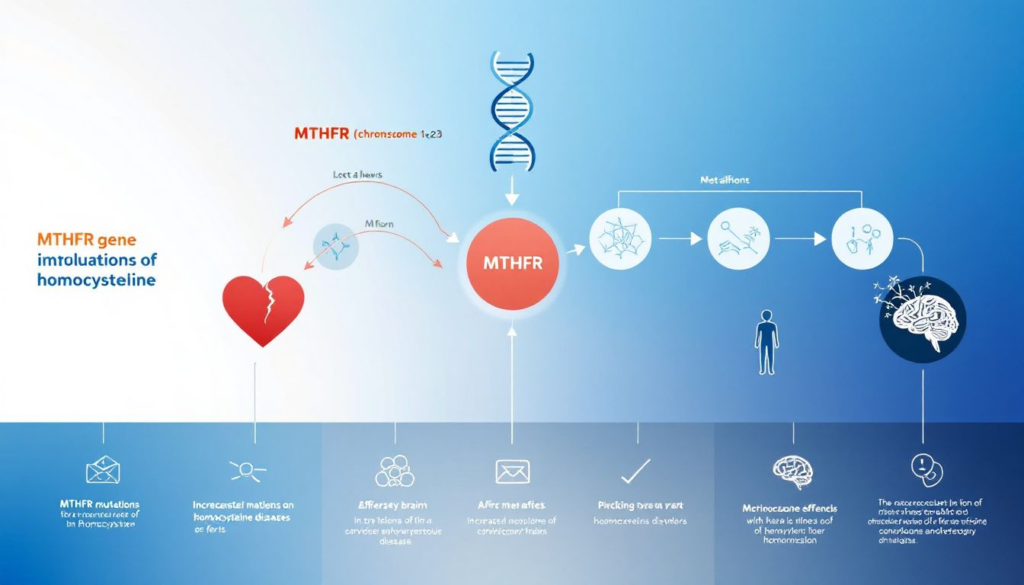
The impacts of methylenetetrahydrofolate reductase mthfr gene mutations on the body can be far-reaching, affecting various systems and functions. Elevated levels of homocysteine, linked to these mutations, can increase the risk of arterial plaque buildup, leading to serious cardiovascular conditions like stroke and heart attack. Women with MTHFR mutations may also face increased risks of pregnancy complications, including placental abruption and fetal abnormalities.
Recognizing how MTHFR gene mutations affect the body is crucial for managing symptoms and improving health outcomes. The following subsections delve into specific areas impacted by these mutations, including detoxification, hormonal balance, and digestive health. Additionally, understanding how the mthfr gene mutation affects the body can lead to better health strategies. Furthermore, exploring mthfr gene variants can provide additional insights into individual health needs.
Impaired detoxification
Ineffective detoxification is a common issue for individuals with MTHFR mutations, leading to the accumulation of toxins in the body. This accumulation can exacerbate symptoms and contribute to various health issues. Natural sources of folate, such as dark leafy greens and berries, can enhance detoxification processes and help manage symptoms.
Staying hydrated and engaging in physical activity also play crucial roles in detoxification. Staying hydrated aids in the elimination of toxins, while regular exercise helps to flush out harmful substances from the body. Implementing these strategies can significantly enhance detoxification and improve overall health for individuals with MTHFR mutations.
Hormonal imbalances
MTHFR mutations can lead to hormonal fluctuations that disrupt reproductive health and thyroid function. These imbalances may result in symptoms such as premenstrual syndrome (PMS), infertility, and thyroid-related issues.
Medical intervention and lifestyle changes are essential for addressing hormonal imbalances and maintaining reproductive and thyroid health.
Digestive problems
Individuals with MTHFR mutations and mthfr deficiency are at a greater risk for gastrointestinal disorders, such as irritable bowel syndrome (IBS). Dietary adjustments and medical guidance are necessary to alleviate symptoms and improve overall gut health.
Factors Increasing Symptom Severity
Several factors can influence the severity of symptoms experienced by individuals with MTHFR mutations. Genetic variations, lifestyle choices, and coexisting conditions all play significant roles in exacerbating symptoms. Recognizing these factors is crucial for effective symptom management and improving quality of life.
Medical professionals may recommend genetic testing, especially if there is a family history of MTHFR-related health issues, to better understand potential symptom severity. Identifying these factors allows individuals to take proactive steps to manage their symptoms and reduce health risks.
Genetic variations
Different types
Lifestyle choices
Stress management is a critical lifestyle factor for individuals with MTHFR mutations. High-stress levels can negatively impact the body’s ability to manage homocysteine levels, worsening symptoms.
Proper stress management can significantly reduce the adverse effects of MTHFR mutations on health.
Coexisting conditions
Coexisting health conditions, such as cardiovascular diseases and certain mental health disorders, can amplify the symptoms of MTHFR mutations. Medical intervention and lifestyle changes are essential for managing coexisting conditions and minimizing symptom severity.
Managing Symptoms Through Diet and Supplements

Diet and supplements play a crucial role in managing symptoms associated with MTHFR gene mutations. A diet low in folate can exacerbate symptoms, making it essential to incorporate folate-rich foods into daily meals. High sugar and fried food intake may also contribute to elevated homocysteine levels, further complicating health issues.
A balanced diet rich in whole foods and lifestyle modifications can significantly improve well-being for individuals with MTHFR mutations. The following subsections provide specific dietary recommendations and supplement strategies to support health.
Increase natural folate intake
Those with MTHFR mutations should increase their natural folate intake. Foods such as dark leafy greens, avocado, and lentils are excellent sources of folate that support healthy methylation processes. Avoiding synthetic folic acid is crucial, as it may not be well-utilized by individuals with MTHFR gene mutations.
Adding these natural folate-rich foods to your diet can help maintain adequate folate levels and support overall health. This dietary adjustment is a key step in managing symptoms and improving well-being for individuals with MTHFR mutations while taking folic acid daily.
Supportive nutrients
B vitamins, particularly B12 and folate (B9), are crucial for proper methylation processes, which can be affected by MTHFR mutations. B12 is vital for DNA synthesis, nerve function, and red blood cell production, while folate supports cardiovascular health and prevents elevated homocysteine levels.
Magnesium and Vitamin D are also important supportive nutrients. Magnesium plays a role in over 300 biochemical reactions, including energy production and DNA repair, while Vitamin D influences the immune system and modulates inflammatory responses.
Adequate intake of these nutrients can help manage MTHFR symptoms and support overall health.
Detoxifying foods
Foods that promote detoxification, such as cruciferous vegetables, garlic, and onions, can enhance the body’s natural detoxification processes and help eliminate toxins. Adding these detoxifying foods to your diet can support overall health and improve MTHFR-related symptoms.
Lifestyle Changes to Improve Well-being

Lifestyle changes are essential for managing symptoms associated with MTHFR mutations. Adopting a diet focused on whole foods rather than processed options can significantly support health. Dietary adjustments tailored to methylation can alleviate symptoms and improve overall well-being.
Hydration and reducing exposure to environmental toxins are also important. Staying hydrated helps eliminate toxins, while minimizing exposure to harmful chemicals can reduce symptom severity. The following subsections provide specific lifestyle strategies to enhance well-being.
Stress management techniques
Effective stress management techniques, such as meditation, journaling, spending time in nature, and volunteering, can significantly reduce the impact of MTHFR symptoms. Incorporating these strategies into daily life can improve emotional balance and physical health.
Managing stress mitigates the adverse effects of MTHFR mutations. Adopting these techniques enhances well-being and symptom management.
Regular physical activity
Engaging in regular exercise can enhance cardiovascular health and overall vitality for those with MTHFR mutations. Activities such as walking or swimming can improve blood flow and reduce symptoms related to MTHFR mutations.
Regular exercise is crucial for managing these symptoms and supporting overall health.
Avoiding environmental toxins
Reducing exposure to harmful chemicals and pollutants is crucial for managing symptoms associated with MTHFR mutations. Limiting the use of plastics, choosing organic produce, and minimizing the use of harmful cleaning products can mitigate exposure to toxins that worsen MTHFR symptoms.
These steps can significantly improve health outcomes for individuals with MTHFR mutations and mthfr gene mutation treatment.
When to Seek Professional Help

Persistent or severe symptoms related to MTHFR mutations warrant medical advice. Persistent symptoms such as extreme fatigue, cognitive difficulties, or unexplained cardiovascular issues warrant immediate medical evaluation. Healthcare professionals can help diagnose potential MTHFR mutations and guide appropriate treatment plans.
Working with specialists such as genetic counselors, nutritionists, and integrative medicine practitioners can provide comprehensive care and management strategies. These professionals can offer personalized insights and tailored recommendations to manage MTHFR-related health issues effectively.
Persistent or severe symptoms
If experiencing unexplained symptoms or conditions, it is important to consult a doctor about possible MTHFR mutations. Intense or unrelenting symptoms warrant immediate medical evaluation for possible MTHFR mutation concerns.
Consulting experts such as genetic counselors provides personalized insights into managing MTHFR-related health issues. They can help interpret MTHFR test results and advise on potential health implications.
Considering genetic testing
Genetic testing by a medical provider can confirm the presence of an MTHFR gene mutation and a genetic mutation. A doctor can determine if someone has an MTHFR variant through medical history, symptoms, physical exam, and blood test. Your healthcare provider can determine if genetic testing, including an mthfr gene mutation test, is necessary based on MTHFR-related symptoms.
Working with a medical provider ensures you get the correct MTHFR tests and rule out other issues.
Working with specialists
Consulting specialists is crucial for understanding and managing MTHFR-related symptoms. Genetic counselors can assist individuals in comprehending the implications of MTHFR gene mutations and advise on genetic testing options.
Nutritionists can provide tailored dietary advice that helps alleviate symptoms caused by MTHFR mutations. Integrative medicine practitioners offer a holistic approach, combining conventional and alternative treatments for improved health outcomes.
Summary
Understanding and managing the symptoms of MTHFR gene mutations can significantly improve your quality of life. By recognizing the neurological, cardiovascular, and pregnancy-related symptoms, and understanding how these mutations affect your body, you can take proactive steps to manage your health. Factors such as genetic variations, lifestyle choices, and coexisting conditions play crucial roles in symptom severity, making it essential to adopt a holistic approach to well-being.
Dietary changes and appropriate supplements, along with lifestyle modifications like stress management and avoiding environmental toxins, are key strategies for managing MTHFR mutation symptoms. Seeking professional help when symptoms are persistent or severe, and considering genetic testing, can provide clarity and guide effective treatment plans. Remember, with the right knowledge and strategies, you can take control of your health and lead a fulfilling life.
Frequently Asked Questions
Why don't doctors believe in MTHFR?
Doctors often do not endorse the significance of MTHFR due to its status as just one of many genes in the human genome, with mutations being relatively rare and lacking robust evidence linking them to widespread health issues. Additionally, the potential for unnecessary anxiety from genetic testing further contributes to skepticism among medical professionals.
What foods should people with MTHFR avoid?
Individuals with MTHFR should avoid inflammatory foods such as gluten, conventional dairy, sugar, processed foods, and additives, as well as any known food sensitivities. Managing stress is also essential for overall well-being.
What are common MTHFR symptoms?
Common symptoms of MTHFR gene mutations include chronic inflammation, fatigue, dizziness, hives, allergies, eczema, asthma, and heightened reactions to allergens. Addressing these symptoms may require medical consultation to manage underlying conditions effectively.
What are common symptoms of MTHFR gene mutations?
Common symptoms of MTHFR gene mutations include anxiety, depression, cognitive difficulties, fatigue, frequent headaches, and unexplained skin reactions. Recognizing these symptoms can be crucial for seeking appropriate support and management.
How can MTHFR gene mutations affect pregnancy?
MTHFR gene mutations can significantly impact pregnancy by raising the risk of complications, including miscarriage, hypertensive disorders, fetal abnormalities, and gestational diabetes. It is essential to monitor these risks for the health of both the mother and the fetus.