
Can addressing the MTHFR gene help with autism recovery? This article dives into how MTHFR gene polymorphisms impact autism and explores effective strategies for MTHFR autism recovery. We will cover the role of folate metabolism, potential interventions, and practical steps for parents and healthcare professionals to support children with MTHFR-related autism.
Key Takeaways
-
MTHFR polymorphisms, particularly C677T, significantly influence autism risk by affecting folate metabolism, essential for brain development.
-
Personalized interventions, including dietary adjustments and supplementation with methylated folate, are crucial for managing autism symptoms in children with MTHFR mutations.
-
Regular monitoring of folate and homocysteine levels, along with early intervention strategies, can enhance recovery outcomes for children with autism linked to MTHFR-related issues.
Understanding MTHFR and Autism Spectrum Disorder

Autism spectrum disorder (ASD) is a complex neurodevelopmental condition characterized by challenges in communication, social interaction, and repetitive behaviors. While the exact causes of autism remain elusive, research has identified several genetic factors that may contribute to its development. One such factor is the MTHFR gene, which plays a critical role in converting folate into its active form, essential for various bodily functions including DNA repair, gene regulation, and neurodevelopment.
The MTHFR gene polymorphisms, particularly the C677T variant, have been significantly linked with an increased risk of autism spectrum disorders. These polymorphisms can affect folate metabolism, leading to vitamin B deficiency and impaired methylation capacity, which are critical processes for brain function and development. Studies have shown that children with autism often exhibit variations in the MTHFR gene, which can impact their ability to metabolize folate effectively.
Genetic testing for MTHFR polymorphisms is recommended for children diagnosed with autism, as it can inform treatment approaches and guide interventions. Understanding the specific MTHFR gene variants present in a child can help healthcare professionals tailor their strategies to address the unique needs of each autistic patient. This personalized approach is crucial, as it acknowledges the genetic liability and potential environmental risk factors that contribute to autism.
In summary, the MTHFR gene is an important gene that influences folate metabolism and neurodevelopment. Its polymorphisms can significantly affect children with autism, highlighting the need for targeted interventions. By understanding the genetic underpinnings of autism spectrum disorder, parents and healthcare professionals can better support children with ASD in their journey towards recovery.
The Importance of Folate Metabolism in Autism Recovery
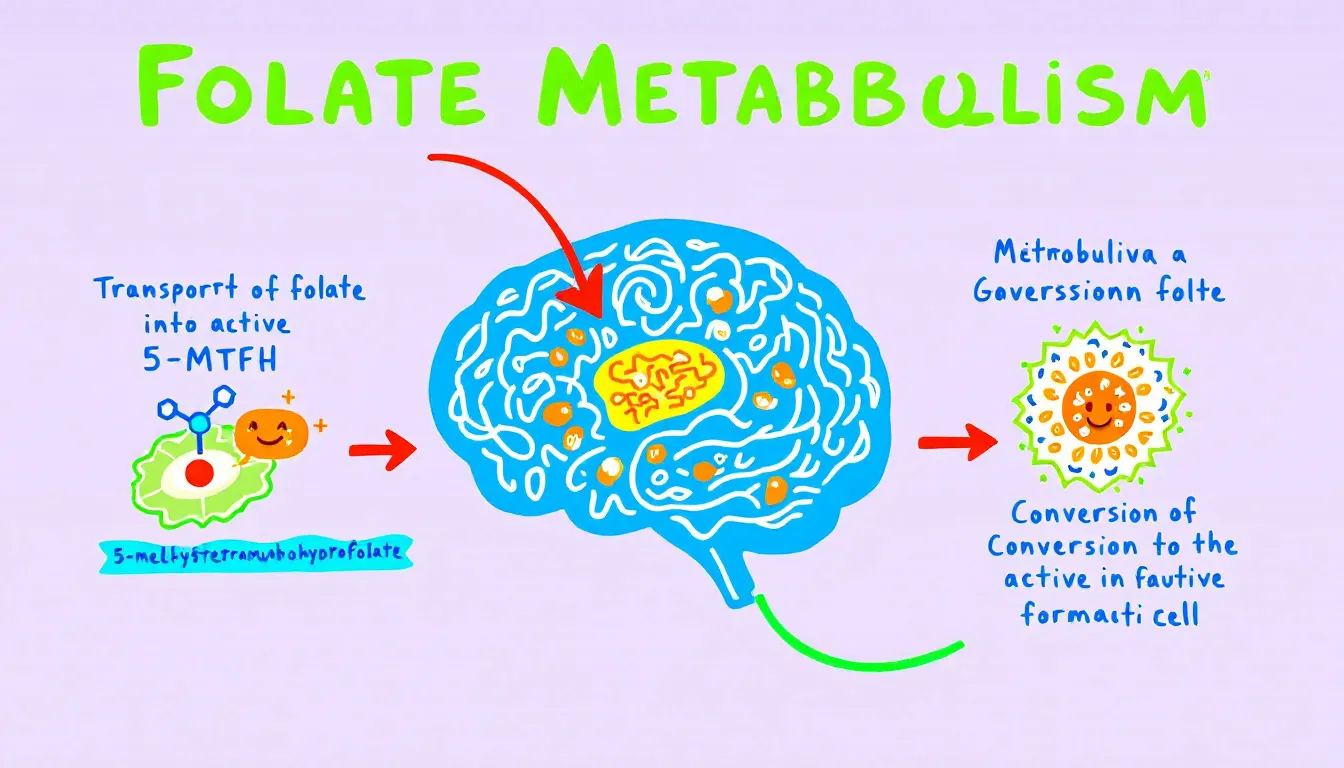
Folate metabolism plays a pivotal role in the recovery process for children with autism spectrum disorder. The MTHFR gene is responsible for converting folic acid into its active form, 5-MTHF, which is crucial for proper folate metabolism and overall brain function. When MTHFR mutations occur, the body’s ability to perform this conversion is hindered, leading to potential neurodevelopmental issues.
Decreased MTHFR enzyme activity can result in altered DNA synthesis and methylation, processes that are vital for brain development and function. This alteration can lead to increased plasma homocysteine levels, which have been linked to various negative health outcomes, including the development of neurodevelopmental disorders like autism. Therefore, ensuring adequate folate metabolism is essential for mitigating these risks.
Children with autism often exhibit imbalances in homocysteine, folate, and vitamin B12 levels, indicating difficulties with folate metabolism. These imbalances can negatively impact DNA synthesis and brain function, potentially exacerbating autism symptoms. Regular monitoring of folate levels is crucial for children with MTHFR mutations to ensure optimal brain development and function.
Interventions targeting the folate-methionine cycle are necessary to improve outcomes for autistic children. By addressing the specific metabolic biomarkers associated with MTHFR mutations, parents and healthcare professionals can take proactive steps to support the neurological health of children with autism spectrum disorder. This approach emphasizes the need for frequent assessment and personalized interventions to manage folate deficiency and promote recovery.
Potential Interventions for MTHFR-Related Autism
Addressing MTHFR-related autism requires a multifaceted approach that includes dietary adjustments, supplementation strategies, and lifestyle modifications. Each of these interventions plays a crucial role in supporting the recovery process and improving the quality of life for autistic children.
Pharmacological interventions, particularly utilizing folic acid, are vital for managing autism symptoms in children with MTHFR mutations. Early pharmacological intervention using folic acid has shown significant improvement in autism symptoms, underscoring the importance of timely and targeted treatment.
In addition to pharmacological approaches, early intervention strategies, including behavioral training and speech therapy, can enhance the effectiveness of treatment for children with MTHFR mutations. These strategies should be integrated into a comprehensive care plan tailored to the unique needs of each child.
The following subsections will delve deeper into the specific dietary adjustments, supplementation strategies, and lifestyle modifications that can support children with MTHFR-related autism.
Dietary Adjustments
Dietary adjustments play a significant role in supporting folate metabolism in children with autism. MTHFR mutations can disrupt folate metabolism, making it essential to incorporate folate-rich foods into the diet to manage symptoms effectively.
Children with autism often exhibit lower levels of vitamin B12 and folate, along with higher levels of homocysteine. A diet rich in folate can help address these imbalances and support overall health. Foods such as leafy greens, legumes, and fortified cereals are excellent sources of folate and should be included in the diet of children with autism.
Avoiding processed foods is also crucial in maintaining a healthy diet that supports folate metabolism. Processed foods can interfere with the body’s ability to absorb and utilize nutrients effectively, further complicating the management of MTHFR-related autism.
Supplementation Strategies
Supplementation strategies are essential for managing autism symptoms in children with MTHFR mutations. Methylated folate supplementation, such as 5-MTHF, can positively influence behavioral outcomes in children with autism. Studies have shown that children with autism who receive 5-MTHF supplementation experience increased language development, reduced anxiety, better transitions, and improved sleep.
These benefits highlight the importance of using activated forms of supplements to ensure optimal metabolic support. Folate supplementation may need to be adjusted based on test results to maintain adequate levels and support neurological health. Parents should consider using activated forms of supplements such as methyl-B12 and 5-MTHF to provide the necessary metabolic support.
Lifestyle Modifications
Lifestyle modifications can play a significant role in supporting children with MTHFR-related autism. Neurofeedback training, which utilizes sensors on the scalp to record brainwave activity, can help reinforce positive brain patterns and reduce stress. Combining neurofeedback with neurostimulation can provide additional benefits, further enhancing the recovery process.
Regular physical activity is also crucial, as it has been shown to enhance mood, improve sleep, and reduce anxiety, benefiting children with autism. Integrating stress reduction techniques like neurofeedback and ensuring regular physical activity can greatly support the overall recovery process.
These lifestyle modifications, when combined with dietary adjustments and supplementation strategies, create a comprehensive approach to managing MTHFR-related autism.
Monitoring and Managing Folate Levels
Monitoring and managing folate levels are critical components of autism recovery for children with MTHFR mutations. Genetic variations in the MTHFR gene can lead to altered folate metabolism, potentially affecting neurological development.
Common tests to assess folate status include serum folate tests, red blood cell folate tests, and homocysteine level assessments. These tests provide valuable insights into a child’s folate status and guide interventions to ensure optimal folate metabolism.
It is recommended to check folate levels at least every 3 to 6 months for children with autism and MTHFR mutations. Regular monitoring allows for timely adjustments in supplementation and dietary strategies to maintain adequate folate levels and support neurological health.
Genetic testing for MTHFR variants can provide insights into an individual’s risk factors for autism and guide potential interventions. By understanding the specific MTHFR gene variants present, healthcare professionals can create personalized treatment plans tailored to the unique needs of each child.
Case Studies and Research Findings
Case studies and research findings provide valuable insights into the link between MTHFR polymorphisms and autism. For example, the MTHFR C677T polymorphism has been commonly studied as a potential risk factor for autism, although findings have been inconsistent. Research suggests that disturbances in the folate/homocysteine pathway may influence the risk of developing autism. A study involving 1,505 autistic children identified a significant correlation between the MTHFR C677T variant and increased autism risk.
The MTHFR C677T gene variation can lead to higher plasma homocysteine levels, which are linked to various neurodevelopmental disorders, including autism. These findings highlight the importance of addressing MTHFR polymorphisms in autism recovery.
However, it is important to note that many studies highlighting the role of MTHFR polymorphisms in autism are limited by small sample sizes. Further research is needed to establish more definitive guidelines for treating autism in relation to MTHFR mutations.
Challenges and Limitations of Current Interventions
Despite the promising potential of interventions for MTHFR-related autism, there are several challenges and limitations. One significant challenge is the variability in genetic factors influencing autism, which complicates personalized treatment strategies. Intervention effectiveness can also be skewed by unmeasured confounding factors that are not accounted for in studies. This highlights the need for more comprehensive research designs that consider these variables.
Further multicentric studies are essential for developing effective guidelines for treating autism in relation to MTHFR mutations. These studies should aim to establish standardized protocols for genetic testing, dietary adjustments, supplementation strategies, and lifestyle modifications.
Early Intervention and Its Impact on Autism Recovery

Early intervention can significantly enhance outcomes for individuals with autism spectrum disorder. Developmental monitoring is essential in diagnosing autism, as it involves observing a child’s growth and milestones to identify any concerns.
When screenings show concerns, a formal developmental evaluation is recommended to assess the child’s progress and determine the presence of autism. The autism diagnosis process involves developmental monitoring, screening, and formal evaluation, guided by clinicians who ensure appropriate services for autism.
Early intervention strategies, including folic acid supplementation, have been shown to improve sociability, cognitive skills, and communication in autistic children. Regular physical activity is also linked to improvements in mood and social skills for children with autism.
Some children may no longer meet the diagnostic criteria for autism following effective intervention, highlighting the transformative potential of early and targeted treatment approaches. However, current research indicates insufficient consensus on the optimal dosing and duration of folic acid treatment for autism, underscoring the need for further studies.
Role of Healthcare Professionals in Managing MTHFR Autism
Healthcare professionals play a crucial role in managing MTHFR-related autism by creating personalized treatment strategies based on the unique needs of each child. Geneticists analyze the MTHFR gene variants to inform treatment plans, while nutritionists assess dietary needs and recommend appropriate supplements. Therapists implement behavioral interventions tailored to the indicators of autism as influenced by MTHFR gene mutations. Professional guidance from healthcare providers familiar with MTHFR can assist parents in navigating treatment strategies for autism.
Customized protocols developed by institutions like the Drake Institute focus on addressing individual brain function in children with autism. These protocols combine various interventions to create a comprehensive care plan that supports the child’s overall development.
Collaboration among healthcare professionals is essential for providing holistic care and ensuring that all aspects of the child’s condition are addressed. This multidisciplinary approach enhances the effectiveness of interventions and supports the child’s recovery.
Parental Support and Resources
Parental support is a cornerstone in managing MTHFR-related autism. Navigating the complexities of genetic and environmental factors can be overwhelming for parents, but various resources are available to assist and empower them. Support groups specifically for parents of children with MTHFR mutations and autism can provide a community for sharing experiences, resources, and coping strategies.
Educational materials regarding MTHFR mutations and their relationship with autism are vital for parents to better understand and manage their child’s condition. These materials can offer insights into the genetic underpinnings of autism and practical tips for dietary adjustments, supplementation, and lifestyle modifications.
Healthcare professionals can offer professional guidance and create comprehensive care plans tailored to the needs of children with MTHFR-related autism. By working closely with geneticists, nutritionists, and therapists, parents can ensure that their child receives the best possible care.
Overall, substantial support from both healthcare professionals and the community can make a significant difference in the lives of young adults and children with autism. By leveraging these resources, parents can better navigate the challenges of managing their child’s condition and support their journey towards recovery.
Summary
In summary, understanding the role of the MTHFR gene in autism spectrum disorder is crucial for developing effective recovery strategies. The importance of folate metabolism in neurological development cannot be overstated, and interventions that target this pathway can significantly improve outcomes for children with autism.
Potential interventions, including dietary adjustments, supplementation strategies, and lifestyle modifications, offer a comprehensive approach to managing MTHFR-related autism. Regular monitoring of folate levels and early intervention can further enhance the effectiveness of these strategies, ensuring that each child receives personalized care tailored to their unique needs.
As we continue to explore the complexities of MTHFR and autism, the collaboration between healthcare professionals and parents remains vital. By working together, we can support the recovery and development of autistic children, providing them with the tools they need to thrive.
Frequently Asked Questions
What is the MTHFR gene and why is it important in autism?
The MTHFR gene plays a crucial role in converting folate to its active form, impacting DNA repair and neurodevelopment. Variants of this gene can disrupt folate metabolism, which has been associated with a heightened risk of autism spectrum disorders.
How does folate metabolism impact autism recovery?
Folate metabolism significantly influences brain function and development, and mutations in the MTHFR gene can exacerbate neurological issues. Ensuring adequate folate levels through diet and supplementation may support recovery in children with autism.
What dietary adjustments can support children with MTHFR-related autism?
Incorporating folate-rich foods like leafy greens, legumes, and fortified cereals can significantly support children with MTHFR-related autism. Additionally, avoiding processed foods is essential for promoting a healthier diet that fosters overall well-being.
What role do healthcare professionals play in managing MTHFR-related autism?
Healthcare professionals play a crucial role in managing MTHFR-related autism by collaborating to develop personalized treatment strategies that address the individual needs of each child. Their expertise is vital for ensuring comprehensive care and navigating various treatment options effectively.
Why is early intervention important for autism recovery?
Early intervention is crucial for improving outcomes in children with autism, as it allows for the early identification of concerns and the implementation of targeted strategies to support their development. This proactive approach greatly enhances their chances of successful recovery and integration.