
NOS gene mutation
By Russell Browne (Dip. Adv. Nut.) · Specialist in Genetic Nutrition & Methylation Protocols
The NOS changes discussed here — often the endothelial form, NOS3 (eNOS) — are common polymorphisms (variants), not rare defects. This page covers what the NOS gene does, what the research supports around vascular health, and what we observe in practice.
What is a NOS gene mutation?
A NOS “mutation” — more accurately a common gene polymorphism or variant — is a widespread variation that can influence how this gene and its enzyme work. These are common variants that shift relative likelihoods, not switches that determine your health.
What the NOS gene does
NOS genes provide instructions for nitric oxide synthase enzymes, which produce nitric oxide — a molecule that helps blood vessels relax and widen, supporting healthy circulation. The endothelial form (NOS3/eNOS) is the one most discussed in relation to the blood vessel lining and blood pressure.
New to all this? Start with the overview
Bad Genes – The Genetic Advantage by Russell Browne is a plain-English tour of the common gene variants that most influence health — the ideal companion to your variant report, and a great place to see how the individual genes fit together.
NOS, nitric oxide, and circulation
Because nitric oxide influences how blood vessels dilate, NOS3 variants have been studied for whether they are associated with vascular function and blood pressure. As with the other cardiovascular genes here, any effect is modest and shaped heavily by lifestyle, other genes, and overall health.
NOS Variants: What the Research Shows, and What We See in Practice
There is a lot written about these genes online, and much of it overstates the case. We separate two kinds of information: what the published research has found, and — kept distinct from it — the patterns we have observed in clinical practice.
What the research shows
NOS3 variants have been studied for associations with nitric-oxide-related vascular measures and blood pressure, with modest and variable results across populations.
Three things are essential to keep in view about this research:
- These variants are common — a large share of the population carries them.
- The findings are associations — relative shifts in likelihood across groups — not causation. A variant does not, by itself, cause any condition.
- Many people who carry these variants experience none of the associated patterns. Genes are one influence among many.
What we observe in clinical practice
In practice we consider NOS as one factor in a wider look at circulation and cardiovascular health — not a stand-alone diagnosis. This is a clinical observation used case by case, reviewed alongside real measurements. Nothing here is a reason to act on a genotype alone; cardiovascular care belongs with your doctor.
How to find your NOS result
Your existing 23andMe or AncestryDNA raw data file already contains your NOS markers — you do not need a new test. Uploading it produces a plain-language variant report showing your NOS result (and many others), which you can then review with your practitioner in the context of your whole health picture.
Order or view your report · Find a practitioner
Important note
This page is educational and is not a diagnosis or a treatment plan. These variants are common and shift relative likelihood, not certainty; many people who carry them experience none of the patterns described here. The clinical observations reflect what we have seen in practice and will not apply to everyone. Anything you wish to act on should be assessed individually with a qualified practitioner who can consider your full history, symptoms, and any relevant testing.
About the Author
Russell Browne (Dip. Adv. Nut.)
Specialist in Genetic Nutrition & Methylation Protocols
Russell Browne is a qualified practitioner of Advanced Nutrition, Advanced Herbalism, and Homeopathy, with a specialized clinical focus on genetic nutrition, methylation pathways, and detoxification. With years of dedicated clinical experience helping patients decode complex chronic health issues, Russell is also the author of How to Treat Your MTHFR Gene Mutations the Right Way – The Genetic Advantage and several works on genetic wellness. He is committed to bridging the gap between complex genetic data and practical, root-cause clinical care.
Read Russell’s Full Professional Profile & Clinical Credentials
View Published Genetic Health Literature & Books
Treating NOS mutations
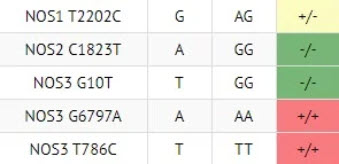
If you suspect you may have symptoms related to the NOS gene mutations or you want to prevent these conditions, the first thing to do is get your ancestry raw data and upload it to our app, this will show your NOS genes and provide the status of the mutations.
Once you confirm if you have NOS mutations the best thing you can do is work with a practitioner who understand epigenetics and nutrigenomics via a consultation here.